What Defines Everyday Play in Mobile Games
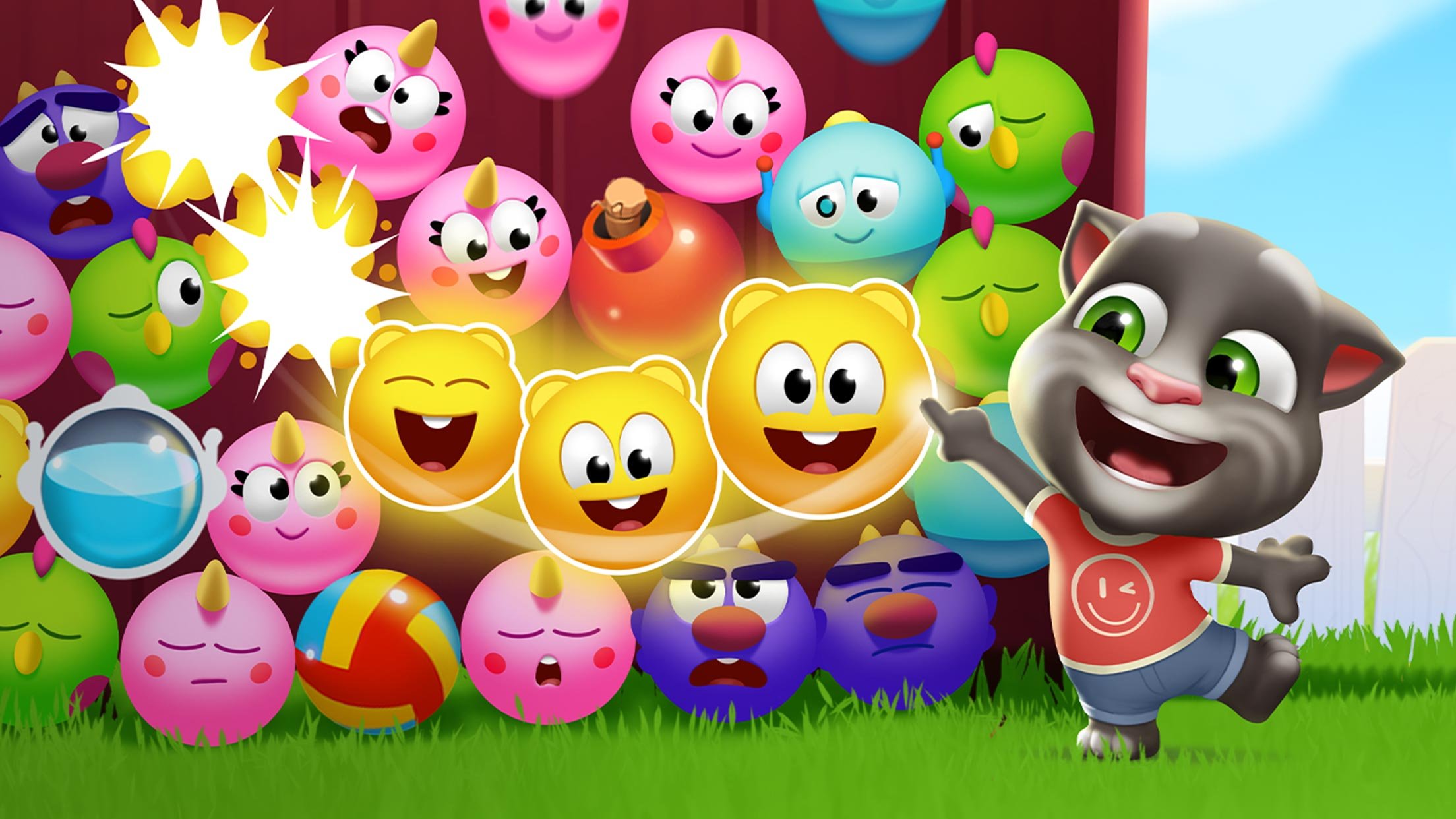
Not all mobile games are designed around long sessions or fast progression. Many of the experiences people return to most often are built around small, familiar interactions that fit naturally into daily life. Nothing urgent happens, yet something meaningful builds through returning.
This design approach is often described as everyday play - games structured around routine interaction, flexible session length, and persistent environments that allow players to engage whenever time is available.
Rather than encouraging extended focus, everyday play prioritises presence, consistency, and comfort.
Interaction That Fits Real Life
Everyday play works because it adapts to the player’s schedule. Sessions can last seconds or minutes without losing meaning, and progress continues through repeated short visits rather than concentrated effort.
This flexibility is supported by interaction loops that remain clear and familiar across sessions, reducing friction when returning after time away.
Persistent Characters Create Continuity
A key element of everyday play is the presence of characters that exist beyond a single session. Persistent characters provide a sense of continuity, giving players a reason to check in even when they don’t intend to play for long.
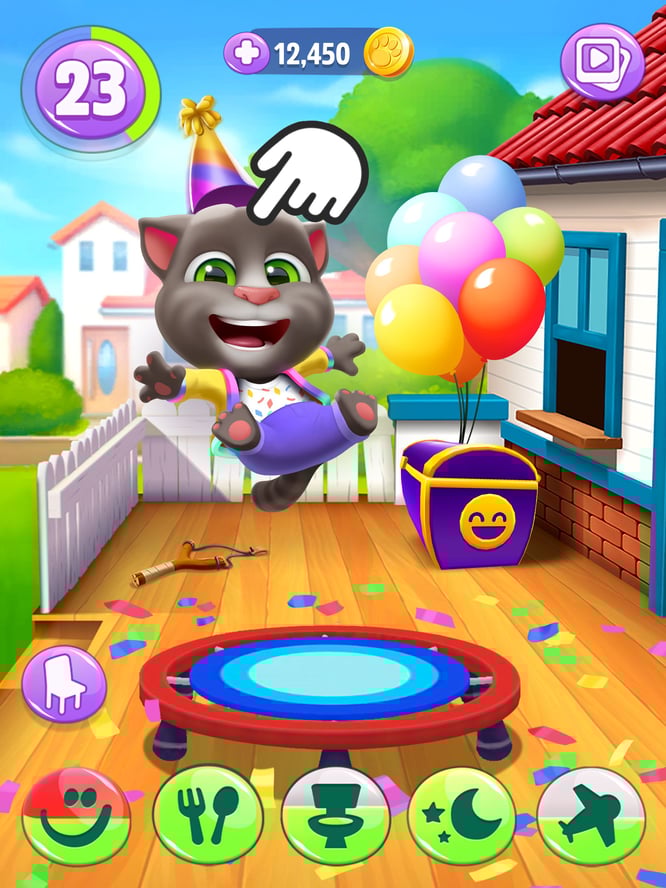
In virtual pet experiences such as My Talking Tom 2, care-based interaction and responsive character behaviour turn short visits into ongoing relationships rather than isolated activities. It’s the kind of experience different people connect with in different ways.



Routine as a Progression Model
Instead of traditional progression systems based on difficulty or completion, everyday play relies on routine-driven progression. Small actions accumulate over time, creating familiarity and attachment.
Care loops, mini-games, and personalization options work together to make consistency more important than speed.
Environments Designed for Re-Entry
Everyday play depends on environments that reduce cognitive load. Persistent spaces, predictable layouts, and gentle pacing allow players to resume interaction instantly without relearning systems.
This design makes games accessible to a wide range of players, including younger, older audiences and those engaging in very short sessions.
Why Everyday Play Is Growing
As mobile usage becomes more fragmented, games that integrate into daily routines become easier to sustain long term. Everyday play supports flexible attention, allowing players to interact briefly while still maintaining continuity.
This approach shifts the focus of engagement from achievement to familiarity - from finishing something to returning to something.
At a broader level, everyday play demonstrates how responsive characters, short activity loops, and persistent environments can create long-term engagement through consistency rather than intensity.